Education chief appoints attorney to workgroup on health care costs

By Weave Staff

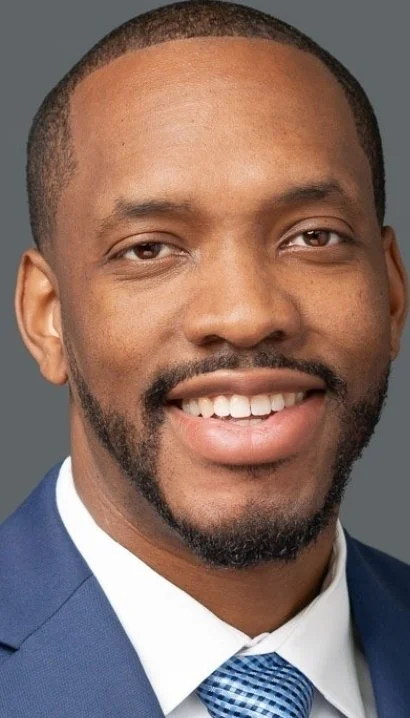
SACRAMENTO — California State Superintendent of Public Instruction Tony Thurmond has appointed attorney and economist Mark T. Harris to a new statewide workgroup that will develop policy recommendations to address rising health care costs affecting school districts and educators.

The Education Healthcare Cost Workgroup will bring together educators, economists and policy experts to examine the financial impact of increasing health care costs on school districts and identify solutions to help schools continue providing quality health care benefits to employees and their families.


“We are all painfully aware of the rising costs of health care in this country, and our school districts are not immune to that strain,” Thurmondsaid. “School districts must be able to afford quality health care for their employees, and all school employees deserve access to quality health care for themselves and their families.”

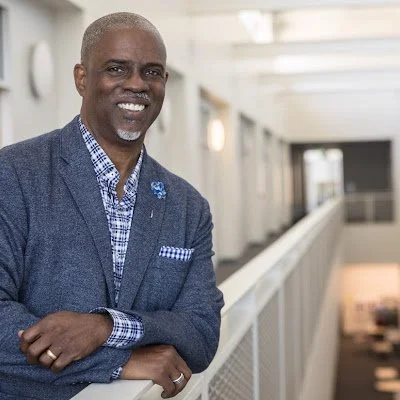
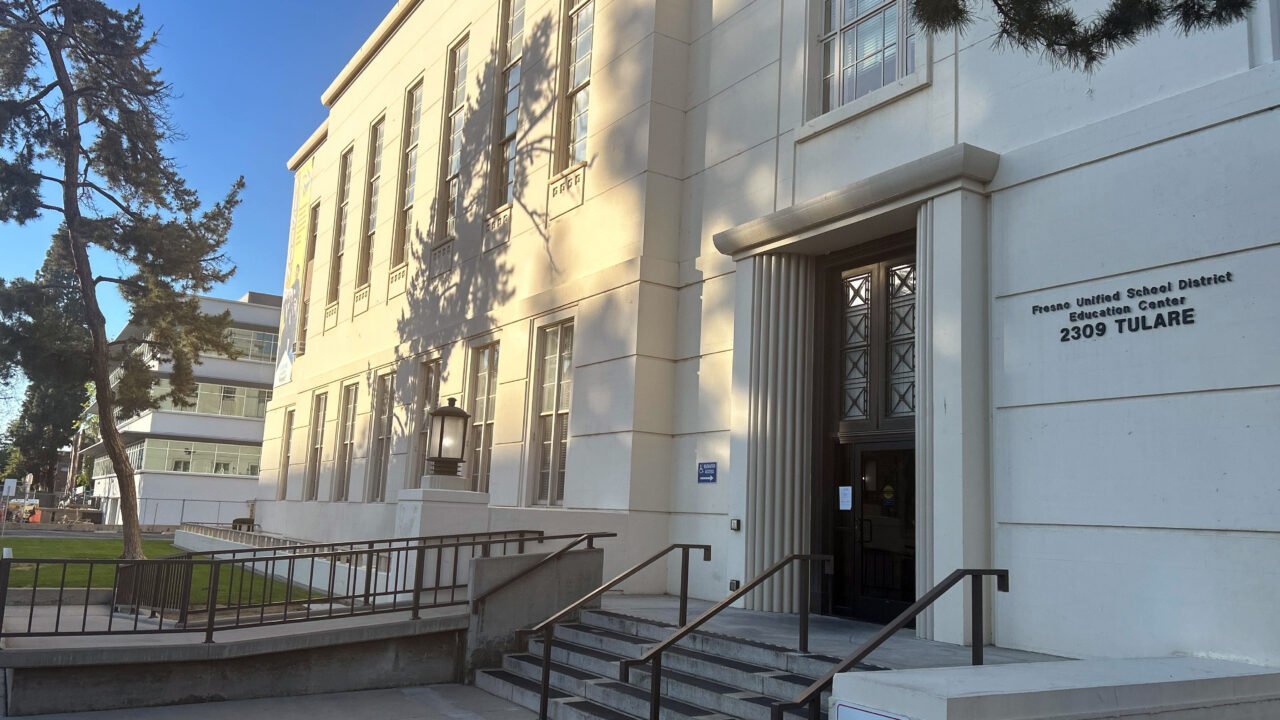
Harris is an attorney, economist and senior continuing lecturer at UC Merced. He also serves as director of the university’s Law Clinic, general counsel to the Fresno Unified School District and special counsel to the Sacramento City Unified School District and Twin Rivers Unified School District. Before entering academia, Harris worked as an investment banker on Wall Street and has lectured internationally on law and finance.

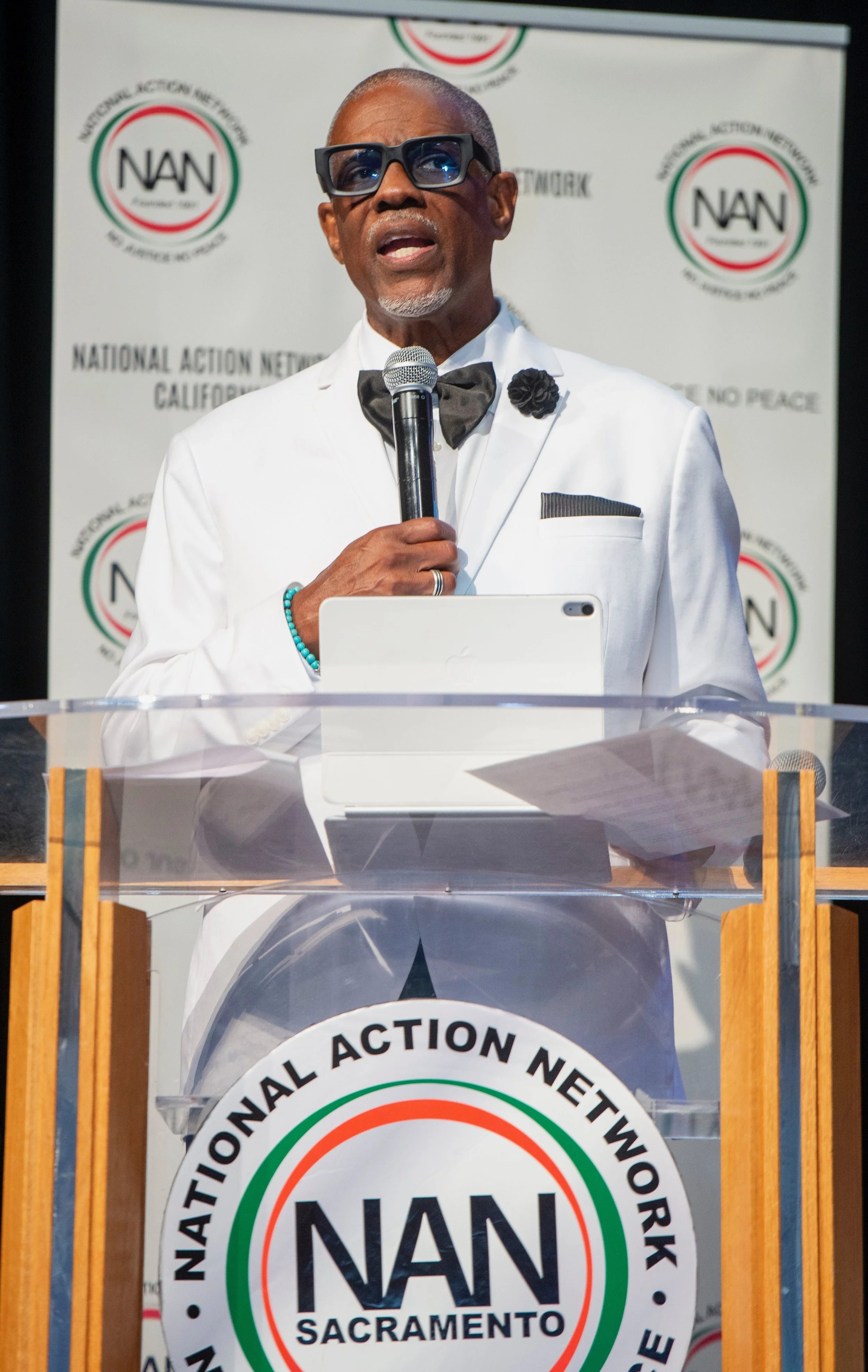
In 2023, President Joe Biden appointed Harris to the Export-Import Bank of the United States’ Council on Climate. He also recently received the inaugural National Action Network Rev. Al Sharpton Legacy Award in recognition of his work advancing civil rights and social justice.

Harris said he accepted the appointment in honor of his late mother, who spent more than 60 years teaching in Los Angeles and Sacramento public schools and served as a leader of United Teachers Los Angeles. He also noted that his wife, Marianna Y. Harris, is a former public school teacher and school site leader.


“I hope that the contribution I make to the workgroup helps move the needle in a positive direction relative to health care finance equity for all who are within the public education ecosystem,” Harris said.

The California Department of Education said the workgroup’s recommendations will focus on helping school districts manage rising health care costs while preserving access to quality health care for educators. Officials said the effort comes as school systems across California continue to face growing financial pressures associated with employee health care benefits.

Attorney Martin T. Harris - Oakland Station Apartments Press Conference Speech

“We are gathered here today because these resilient tenants came together for CHANGE.

Ongoing nuisances and the ownership’s refusal to make lasting repairs and accommodations forced tenants to form a tenant association three years ago.

During this time, tenants acted in three ways:

  • They blocked a rent increase

  • They notified the ownership about the lack of security

  • They demanded repairs

Tenants have organized with the Alliance for Californians for Community Empowerment (ACCE) to amplify their concerns.

After countless meetings with our law firm and ACCE, tenants wanted the ownership to take accountability for their lack of responsiveness.

Tenants have attended City Council Meetings to talk about the issues that are impacting their lives daily.

Because of tenants’ organizing efforts, Oakland City Council Members, elected officials, and code enforcement have all come to Oakland Station and witnessed firsthand the inhumane living conditions at Oakland Station.

ACCE and the City Attorney’s Office have even sent letters to the Ownership regarding the substandard housing conditions, and what did they do in response? THAT’S RIGHT NOTHING!!! THE OWNERSHIP DENIED ANY WRONGDOING.

As tenants continued to voice their concerns and make complaints about Oakland Station, they were met with retaliatory eviction notices!

This is no way to treat elderly, disabled, low-income, and hard-working tenants who are doing their best to live peacefully in their home. But guess what, these tenants are not accepting NO FOR AN ANSWER!! And we are here today because tenants will continue to organize until they see CHANGE! THAT’S RIGHT CHANGE! So what do we want? CHANGE. And when do we want it? NOW”

-Attorney Martin T. Harris

Attorney Martin T. Harris: Senior tenants in Oakland file sweeping lawsuit alleging unsafe conditions, elder abuse

By Hilda Gutierrez, Michael Bott and Alex Bozovic

Nearly 70 current and former tenants of the Oakland Station apartments – all seniors or people with disabilities, or both – filed a lawsuit Wednesday accusing the building’s owners and managers of negligence, elder abuse, harassment and other civil violations.

The 181-page lawsuit alleges residents were lured in with the promise of luxury senior living but instead endured years of unsafe conditions, repeated elevator outages, security failures and severe cockroach infestations at the affordable housing complex.

“Overrun with trash, debris, feces, unhoused trespassers, drug use, drug paraphernalia, rodents, and cockroaches, the Complex trapped senior tenants in the most vulnerable and unsafe housing conditions and had virtually no usable amenities,” the lawsuit alleges.  

The suit follows months of organizing by residents, who filed complaints earlier this year with the city and confronted building management over conditions at the property. 

Now, they’re taking them to court.

“The people that we’re representing are retired nurses, retired teachers, retired AC Transit workers,” attorney Rahman Popal said. “And they come back to the conditions here which are not safe and unsecured and completely dirty and uninhabitable.”

The lawsuit also raises questions about how the project was first developed and marketed

It alleges the Oakland Station was promoted as a luxury affordable housing community for seniors in order to attract tenants and secure development incentives, including housing tax credits. But last year, citing high vacancy rates and other factors, the building’s owners – Oakland Pacific Associates – were granted permission from the city to open the property to tenants of all ages.

But the lawsuit alleges those empty units were caused by “unsafe and unhealthy” conditions, reduced services, and limited access to parking. 

“Our lawsuit looks at the entire history of this property from the very beginning,” Popal said. “This was passed and sold as an affordable housing complex for senior tenants. And the ownership group secured housing tax credits that greatly benefit them.”

The lawsuit describes dozens of alleged problems, including building-wide heating and plumbing issues.

Paula Reed, 75, is a cancer and stroke survivor. She alleges in the lawsuit that her bathroom plumbing was not working for about a week and had to use makeshift alternatives.

“I was using a pai,l and I was using plastic bags,” Reed said.

Additionally, the civil complaint describes a time when Reed was displaced from her apartment for almost two months due to flooding at the complex and was promised reimbursement for a motel. But she was never paid back, according to the lawsuit, “forcing the senior, low-income Plaintiff to shoulder the costs of displacement.”

Nearly every tenant in the building who spoke to NBC Bay Area told stories about cockroaches. Roach motels and bug-killing powder are common sights throughout the hallways and inside tenants’ units.

Claudia Alejandre says cockroaches have even crawled inside the CPAP machines she and her husband use to sleep at night, so she now has to tape them shut.

“We found roaches inside swimming in the water container,” Alejandre said. “It was a really stressful situation.”

The lawsuit also details numerous safety concerns, notably a broken exterior gate that remains open and allows anyone to enter the building. 

Tenants regularly encounter trespassers using drugs, along with “sex workers, and others camping through the building,” according to the lawsuit.

“People off the street living in the hallways,” said Williams, a U.S. Coast Guard veteran. “I had my car stolen.”

He said he’s taken his complaints to building management, run by a San Diego company called CONAM, but has been met with “no communication and a lack of concern.”

Another plaintiff in the suit, Saffiya Usman, said the building got so dangerous she had to move out. The lawsuit alleges that she was assaulted and robbed in the building’s elevator last year.

“He pushed me and knocked me down, and my head hit the back of the elevator,” Usman said. “He grabbed my bag and ran out."

Usman said she filed a report with police, but the man was never caught. 

Records from the Oakland Police Department show officers have responded to more than 50 calls at the property in the first four months of 2026 alone, for reported robberies, trespassers, car burglaries and more.

“That was the most terrifying and frightening experience that I have ever had,” Usman said.

The building’s elevators are a major concern among tenants, particularly those with disabilities, since they “have broken down over 30 times,” according to the lawsuit.

When the building’s elevators were out of service for four days in 2024, according to the lawsuit, Oakland firefighters were forced to carry a paralyzed tenant down six flights of stairs during a medical emergency.

A spokesperson for the Oakland Fire Department confirmed the incident. 

During the outage, tenants like Rose Luster-Brooks said they were trapped in their apartments. 

“Everybody was stuck, and it was hard for people like me that’s in a wheelchair,” Luster-Brooks said. “But the office never came up and said, ‘Hey, y’all need some water? Is there anything we can do to help you?’ They never checked on us.”

Neither Oakland Pacific Associates nor CONAM responded to NBC Bay Area’s request for comment.

In a March letter to tenants, however, management said it remained committed to operating the property in compliance with applicable laws and lease agreements. 

They added that the building’s heating system has been fixed, common areas are cleaned regularly, and that the building has a security team, though it’s not in place 24 hours a day.

With the help of the Alliance of Californians for Community Empowerment (ACCE), the tenants' complaints and organizing efforts caught the attention of city officials earlier this year. Several city council members have toured the property and the city said May code enforcement inspections led to notices of violations, including for pest-related issues.

But Popal said there were opportunities for the city to intervene earlier and more aggressively, citing code enforcement visits to the property going back to 2023.

The lawsuit seeks damages and court orders requiring the owners to address the alleged conditions at the property.

“We’re demanding accountability,” Popal said. “These tenants didn’t come to me about money, they came to me because they want to be able to sleep at night.”

California Education Chief Tony Thurmond Appoints Atty. Mark Harris to Workgroup on Healthcare Costs

Statewide — California State Superintendent of Public Instruction Tony Thurmond has appointed attorney and economist Mark T. Harris to a new statewide workgroup that will develop policy recommendations to address rising healthcare costs affecting TK-12 school districts and educators.

The TK-12 Education Healthcare Cost Workgroup will bring together educators, economists and policy experts to examine the financial impact of increasing healthcare costs on school districts and identify solutions to help schools continue providing quality healthcare benefits to employees and their families.

“We are all painfully aware of the rising costs of healthcare in this country, and our school districts are not immune to that strain,” said Thurmond. “School districts must be able to afford quality healthcare for their employees, and all school employees deserve access to quality healthcare for themselves and their families.”

Harris is an attorney, economist and senior continuing lecturer at the University of California, Merced. He also serves as director of the university’s Law Clinic, general counsel to the Fresno Unified School District and special counsel to the Sacramento City Unified School District and Twin Rivers Unified School District. Before entering academia, Harris worked as an investment banker on Wall Street and has lectured internationally on law and finance.

In 2023, President Joe Biden appointed Harris to the Export-Import Bank of the United States’ Council on Climate. He also recently received the inaugural National Action Network Rev. Al Sharpton Legacy Award in recognition of his work advancing civil rights and social justice.

Harris said he accepted the appointment in honor of his late mother, who spent more than 60 years teaching in Los Angeles and Sacramento public schools and served as a leader of United Teachers Los Angeles. He also noted that his wife, Dr. Marianna Y. Harris, is a former public school teacher and school site leader.

“I hope that the contribution I make to the Workgroup helps move the needle in a positive direction relative to healthcare finance equity for all who are within the public education ecosystem,” Harris said.

The California Department of Education said the workgroup’s recommendations will focus on helping school districts manage rising healthcare costs while preserving access to quality healthcare for educators. Officials said the effort comes as school systems across California continue to face growing financial pressures associated with employee healthcare benefits.

Justice, Truth & Calling I Attorney Mark Harris I Rise of the Reconcilers S2ES

⚖️ Authority + Curiosity What Justice Really Looks Like | Attorney Mark Harris | Rise of the Reconcilers 🔥 Story + Pull From the Courtroom to the Culture | Attorney Mark Harris on Justice & Purpose 💥 Bold + Thought-Provoking This Is What Justice Demands | Attorney Mark Harris | Rise of the Reconcilers 🎯 My top recommendation (balanced + clickable): What Justice Really Looks Like Today | Attorney Mark Harris | Rise of the Reconcilers S2E2

Highlights

1965 Riots

Why we can’t stay quiet

Jesse Jackson

Faith, Law & Activism

Words of the wise

Inaugural Recipient of the Rev. Al Sharpton Legacy Award: Attorney Mark T. Harris

Attorney Mark T. Harris recieved this award, which is the highest accolade presented by the Sacramento chapter of the National Action Network (NAN), in recognition of his lifelong commitment to civil rights, justice, and community advocacy

Read More

Group appeals discrimination lawsuit dismissed against Fresno Unified

Lasherica Thornton

Published

December 3, 2025

The Californians for Equal Rights Foundation, a nonprofit targeting diversity, equity and inclusion programs in public education, is appealing the dismissal of its discrimination lawsuit against the Fresno Unified School District to the U.S. Court of Appeals. 

The group’s February complaint accused the district’s Black student support initiative, formerly the African American Academic Acceleration department, or A4, of excluding non-Black students. 

The appeal attempts to “reopen the courthouse doors and confirm that we have standing so we can end Fresno’s racially segregated programs,” Wilson Freeman, an attorney for the foundation, said in a statement to EdSource.  

The group alleged in its original complaint that the district violated the Equal Protection Clause of the 14th Amendment, the Civil Rights Act of 1964 and the California Constitution, claiming that Fresno Unified’s A4 programs “are designed, marketed, and promoted as only available to black students” and that even if parents “had learned about the A4 programs, they and their children are not made to feel welcome because of their race.”

A federal judge in August dismissed the lawsuit, stating that the group failed to establish key legal standards, including that the foundation’s allegations were generalized and speculative, not specific. 

“The underlying legal issues remain,” said Mark Harris, an attorney for Fresno Unified. 

No non-Black student was prevented from accessing A4 programs due to race or ethnicity, he said. 

Still, Fresno Unified has renamed and restructured the department to Advancing Academic Acceleration & Achievement to prevent the Trump administration’s threats to cut funds to schools with race-based programs, as well as to better promote initiatives to the marginalized student groups that the department has served for years. 

The district created A4 in 2017 to specifically address Black student underachievement in academics, but has served students from all marginalized racial and ethnic groups. A4 provides academic support programs for elementary students and offers enrichment camps, peer groups and academic and social-emotional support programs for middle and high school students. 

Along with the name change, A4 will combine middle and high school support programs that were targeted for African American students into one narrowly focused program. 

“Regardless of what we’re named, we still are going to be committed to providing supports for marginalized students,” A4 Executive Director Lisa Mitchell previously told EdSource. 

What’s next? 

Despite a name change, the foundation is appealing the lawsuit dismissal.  

“In Students for Fair Admissions, the Supreme Court made clear that government officials cannot discriminate against children on the basis of their race in the name of equity or diversity, yet Fresno Unified is doing exactly that,” said Freeman, the attorney for the foundation. “All children deserve to be treated equally without regard for their immutable characteristics.” 

The Students for Fair Admissions case was a 2023 landmark U.S. Supreme Court decision that ruled policies considering race in admissions at Harvard University and the University of North Carolina were unlawful.

The Supreme Court case was not referenced in the original complaint but was included in a response about the lawsuit’s dismissal. 

Moving forward in the appeal process, the foundation must comply with deadlines set by the appeals court, including a Jan. 7 due date for filing the appeal. 

“Unfortunately, it’s a laborious process,” said Harris, the district’s attorney. 

But the district is optimistic.

“We expect to defeat this effort as well,” Harris said.

Fresno Unified felt pressure from Trump to tamp down DEI references, emails show

By Nick Fenley

Updated December 1, 2025 11:52 AM

When Fresno Unified renamed its diversity, equity and inclusion department in September, district officials said it wasn’t in response to the Trump administration’s DEI crackdown. But emails obtained by The Bee indicate officials were at least partially worried they’d lose federal funding if they didn’t remove public references to DEI efforts. In recent months, the district reconfigured its chief of DEI position into a new title of associate superintendent of family and student services. The district also rebranded its A4 initiative aimed at boosting Black student achievement. No longer is the program referred to as African American Academic Acceleration. Rather, its new official name is Advancing Academic Acceleration and Achievement. District officials have said the changes and rebrands were part of Superintendent Misty Her’s “goals and guardrails” plan to improve student achievement across the district. But email correspondence between district officials illustrate the federal government’s chilling effect on educational institutions’ efforts to promote diversity, equity and inclusion in classrooms and workplaces.

As early as February, one month after Trump took office, Fresno Unified officials were exploring changes that removed public-facing references to DEI efforts. In one email chain, Her asked Philip Neufeld, the district’s executive officer of information technology, if other institutions had changed the names of their equity-related departments, and if they were able to still maintain their commitments to diversity.

“Have you heard of or seen where other districts, universities have made changes to the titles (DEI, AA, Latinx..) but still provide services? How are they doing besides just the title changes?” Her wrote. Neufeld responded with examples of how other institutions — including Harvard, Texas A&M and the University of California system — have implemented changes to align with federal, anti-DEI mandates. He also expressed concerns over the uncertainty of the impact an Office for Civil Rights complaint would have on the district. The U.S. Department of Education’s Office for Civil Rights has historically enforced anti-discrimination laws that ensure equitable educational opportunities to students of color. Under the Trump administration, the agency has also been tasked with investigating complaints of discrimination “as a result of a diversity, equity, and inclusion policy, program, or practice in a publicly funded K–12 school, college, or university.” “The big question is will an OCR complaint be able to block or cancel all related federal funding regardless of whether the program, initiative, or curriculum is within the scope of the OCR complaint,” Neufeld wrote to Her. “Again, I don’t think curriculum is at risk given the existing constitutional and legal precedent. And I don’t think that OCR complaints could claw back or restrict funding except for the program within the scope of the OCR complaint. However, these are not normal times :(,” Neufeld said in the email thread, which he ended with a sad face emoji. Fresno Unified officials have walked a tightrope in their public remarks regarding DEI changes. Carlos Castillo, former head of the DEI department and current chief of academics, told The Bee in September that the renaming was part of a larger reorganization within the district, adding that the department’s “core mission and efforts” remain unchanged.

Trustees Elizabeth Jonasson Rosas and Andy Levine said the rebranding stemmed from a restructuring focused on student achievement as opposed to pressure from the federal government. Fresno Unified held a community forum last week explaining the decision to rename its A4 department. District leaders said the changes to the A4 program are meant to align with Fresno Unified’s broader student achievement plan. They reaffirmed the district’s DEI commitments to attendees at the community forum. Mark Harris, an attorney for the district, discussed federal pressures head-on, including the impact of from one of Trump’s executive orders, “Ending Radical Indoctrination in K-12 Schooling.” “We’re not making stuff up when we’re talking about how serious you should take these challenges facing Fresno Unified. If you’re in that (DEI) camp, the administration’s coming after you. And the first thing that happened relative to coming after this district was this lawsuit,” he said, referring to the now-dismissed case brought against Fresno Unified by the Californians for Equal Rights Foundation.

This story was originally published November 24, 2025 at 5:00 AM.

Fresno Unified restructures Black student achievement department to protect federal funding

Fresno Unified School District leaders, educators, parents and students share feedback about changes to the academic support department for Black and marginalized students during a community forum on Nov. 18.

(Lasherica Thornton/ EdSource)

By Lasherica Thornton

Nov. 29, 2025 2 PM PT

The Trump administration’s threat to cut federal funds to schools with race-based programs and a discrimination lawsuit prompted the Fresno Unified School District to restructure its academic support department for Black students.

Starting with a name change in October, the African American Academic Acceleration department — still known as A4 — is now the Advancing Academic Acceleration & Achievement department.

The district made the name change to avoid losing $250 million in federal funding. The change also shows that the department supports all marginalized racial and ethnic groups, not just African American students, the basis for the lawsuit, district leaders said.

“There’s a lot happening at the federal level that we have no control of,” said Lisa Mitchell, executive director of the program. “When we think about the threat and loss of $250 million, not only does it impact the students we’re serving in A4, but it impacts students across our entire district.”

But Eric Payne, executive director of the Central Valley Urban Institute, a policy advocacy organization working in low-income communities, said the name change raises a “dangerous” question about whether equity is a priority for the district.

“Is the name change an attempt to dilute the focus on Black student equity and set a new precedent that makes other culturally responsive programs vulnerable?” he said.

Addressing an achievement gap

The history of A4 dates back to 2017, when 79% of Fresno Unified’s Black students failed to meet California’s reading standards, and 86% failed to reach math proficiency, according to the state’s assessment results.

The district responded by creating A4 to focus on the academic underperformance of Black students.

“I think for Black families in this community, that was seen as a win — a $4-million investment from the Fresno Unified school board that grew to a $12-million investment,” Payne said.

A4 academic support programs for elementary students were first implemented during summer and after school, before expanding to year-round services at over a dozen schools with the largest populations of Black, Latino, Afro-Latino, Hmong, Native American and Pacific Islander students. A4 holds workshops for parents to learn how to help their children improve academically. There is an emphasis on providing instructional materials featuring diverse characters that look like students, who often learn about their culture and history from the content.

There were academic gains — 35% of students participating in the after-school reading program in the 2023-24 school year improved by at least one grade level, according to the department’s 2024 report.

For middle school and high school students, the department offers enrichment camps, peer groups and support programs, which provide academic and social-emotional support.

A discrimination lawsuit

In February, the Californians for Equal Rights Foundation filed a discrimination lawsuit on behalf of Fresno Unified families alleging non-Black students were excluded from A4 programs that they were either eligible for or would have benefited from.

A federal judge in August dismissed the complaint, saying the foundation failed to establish key legal standards and made “no factual allegations that the members’ non-Black children were actually denied access to an A4 office program on the basis of race.”

The foundation had until Wednesday to file an appeal of the dismissal.

“There’s not one student who’s non-marginalized, who’s attempted to join, who’s been turned away,” said Mark Harris, an attorney for the district. “That was true in the past, and I’m sure it’ll be true in the future going forward.”

Still, the lawsuit and the Trump administration’s actions are reasons for the A4 restructuring, district leaders said.

Among the changes, A4 will promote initiatives more broadly, including by combining middle and high school support programs that were named to target African American students into one narrowly focused program, the department said.

Payne, the community leader, expressed fear about what the changes mean for Black students.

“It must preserve the core mission,” Payne said, “which is academic acceleration, social-emotional support and cultural affirmations for Black students.”

How else will A4 change?

The restructuring is also to align better with district literacy and intervention goals, which will make a larger impact, Mitchell said.

A4 has hired and trained teaching fellows, or college students, to provide in-class, small-group targeted intervention for students in pre-kindergarten through sixth grade. Rather than providing academic and enrichment activities each day, the reading support is happening four days a week, with just one day for cultural enrichment.

Last week, more than 150 community members attended a forum at the Farber Educational Campus to learn about the changes and provide input.

Ava Vargas wanted to ensure that any change keeps kids of different ethnic groups on track with reading and writing. Vargas and her 5-year-old daughter, who is Native American and African American, have received resources to learn at home, preparing her for kindergarten this year.

“With the name change, I was like, ‘What else is going to happen?’” Vargas said.

At the community forum, district leaders divided attendees into 18 groups to discuss what else could be done to improve the success of students most in need.

Some of the ideas from the groups included boosting parent engagement and involvement through workshops or boot camps. They also suggested additional social-emotional support for students, more resources for families to use at home, support during students’ transition from K-12 to higher education systems, and for A4 to continue its operations.

Some parents, such as Vargas, said the forum assured them that the A4 mission will remain intact. Many people voiced their desire to help.

Mitchell said she appreciated the turnout, engagement, and support from the community to elevate the department.

“It took a weight off our shoulders because we now have people at the table who want to support,” Mitchell said. “We’ve got a community with us trying to figure this out, too.”

SCUSD Settles Versher Lawsuit With No Direct Payment to Plaintiff

Press release January 24, 2025

Sacramento, CA - The Sacramento City Unified School District announced a settlement in the lawsuit brought by former employee Dr. Elysse Versher in June 2022. Versher alleged she was subjected to multiple forms of racism, harassment and retaliation during her employment as Assistant Principal at West Campus High School.

As part of the agreement, the District admits no wrongdoing and will issue no financial payment directly to Versher. Instead, only the attorneys representing Versher will be reimbursed $17,500 for specific costs incurred during more than two years of litigation. It is not a payment for legal fees.

Additionally, the agreement calls for Versher to:

  • Release all claims against the District.

  • Cooperate in the removal of online posts and podcasts in which she describes alleged harassment at West Campus.

  • No longer seek future employment with SCUSD.

  • Update her online education resume to remove references to a Master’s Degree that she does not possess.

“Sac City Unified feels vindicated by this outcome as it closes a painful and deeply regrettable chapter in our history,” said Lisa Allen, Superintendent. “I’m hopeful this brings needed closure for the West Campus community and restores the reputation of its exceptional principal John McMeekin,” Allen said.

“This is an example of a rush to judgment by some members of our community based solely on several unfounded allegations by Dr. Versher,” said Mark Harris, SCUSD’s Diversity, Equity, Inclusion and Accessibility Monitor. “With the withdrawal of the lawsuit by Dr. Versher, I am happy to see the removal of the threat to the professional reputations of educators both at West Campus and the Sacramento City Unified School District. After an exhaustive process of investigation that has not supported Dr. Versher’s original account of events, it is time for all of us to move forward and focus on ensuring our students and their families receive the commitment to academic excellence they deserve,” Harris added.

Sacramento City Unified considers the matter involving West Campus closed. The District wishes to thank Sacramento Police for their time and resources committed to investigating any alleged crimes.

What should Sacramento schools do when students use the N-word? Sac City’s adviser weighs in

BY MARCUS D. SMITH

AUGUST 29, 2022 5:25 AM

The Sacramento City Unified School District recruited outside help last year to investigate and resolve a string of race-related incidents on campuses that outraged parents and upset students. It turned to Mark Harris, a Sacramento attorney who was hired as the district’s Diversity, Equity, and Inclusion monitor to investigate and advise the district in such incidents. Two especially difficult incidents involved staff. In June 2021, a white teacher at Kit Carson used a racial slur in a class discussion. She later resigned. In November 2021, someone targeted a Black vice principal at West Campus High School with racist graffiti and online harassment. The district never found a culprit, and the vice principal sued the district alleging officials failed to protect her from racist harassment.

Looking ahead to the new school year, Harris spoke with The Sacramento Bee by phone to share his views on how the district should go about regulating the use of the N-word on campus during school hours and at events.

Q: What should be done about the use of the N-word in schools, especially when it carries so much weight still in 2022?

A: This is complicated. It’s difficult. You mentioned Kit Carson. Do I believe that the person who is the subject of the investigation is a racist? No. I would say there’s no evidence indicating that she’s racist. So many times we get caught up in the ‘why’ when we should be focused on the ‘what’. The ‘what’ is she used the N-word in a school context. That is an absolute ‘see ya later’ as far as I’m concerned. It should be the same, in my opinion, if it’s an African American educator who does it, or if it’s a Caucasian educator who does it, LatinX, AAPI, then we can go on and on, even Indigenous.

Q: What are your thoughts on people who justify the use of the term because others use it, or because it’s widely used in popular culture?

A: It ain’t hard to figure this one out. So what I’m seeing is a number of teachers, typically Caucasian teachers, and typically younger Caucasian teachers say, ‘I grew up in the hip-hop generation where the lyrics were full of the use of the N-word. Why can’t I use it? Because my music indicates it. I hear students up and down every hallway in SCUSD and other school districts use the N-word consistently. And I don’t know whether they use it with the ‘a’ at the end or the ‘er’ at the end, but they’re using it, and if they can use it, I should be able to use it.’ To that I say, poppycock.

Q: Do you expect to hold high school, middle school, or even elementary school students to the same standard of professionalism?

A: For the professionals, for the people who get the paycheck, let me make this real simple. If you’re getting a paycheck from the school district, you shouldn’t be using the N-word. I’m going to make it very narrow and very specific. I’m not even gonna be grandiose about it. Relative to students, it is definitely a more complicated matter. Our kids are confused by these mixed signals we’re sending relative to this issue. We need to speak with a firm voice and a clear voice that the use of the N-word is unacceptable.

Q: Regarding students’ use of the word, do you believe in regulating the N-word like profanity and other curse words on campus?

A: I’m not for expelling students for the use of the word. I’m not for suspending students for the use of the word. Treating the adults who draw paychecks one way is different from treating students in the same manner or similar manner. We should be teaching them. They should step up and behave like teachers and explain to these young people why it’s inappropriate.

Q: How do you feel about the conscious use of substitute words instead of the N-word, such as ‘King’, ‘Queen’, ‘Brotha’, ‘Sista’, ‘Dude’, ‘Bro’, etc.?

A: I think it’s interesting. I believe in positive words that uplift and empower our community, so I’m down with referring to young people as kings and queens. I’m down with referring to students as scholars.

Q: I want to play devil’s advocate because there are some Black folk who allow others to call them the N-word. Does history, teaching, and education still matter?

A: That’s a beautiful question. I am a lawyer and I respect the First Amendment. If a person wants to express themselves in a manner that I don’t agree with, I’m not going to try to stifle that. I’m not going to try to suppress that. So if a person says I want to be referred to as an ‘N’, then God bless you. You have the right to have yourself referred to in a manner that you deem appropriate except, back to how I started, if you’re an employee of one of the school districts that I currently work with, represent, and that I have any influence over. If you’re drawing a paycheck, or if you’re in a position of authority, even if it is a volunteer, you will be dismissed if you use the N-word. So you better go find work somewhere else if you want to refer to yourself as an ‘N’.

Two 14-year-olds arrested in connection with racist graffiti at Sacramento school

SACRAMENTO, Calif. —

Two teens were arrested in connection with racist graffiti discovered along a wall at Abraham Lincoln Elementary School in mid-February, officials announced Monday.

The graffiti, which included swastikas and the letters "KKK," had been spray-painted on the campus during the 2022 Abraham Lincoln’s birthday observance.

The teens, both 14-years-old, had caused more than $400 in damage, which is the threshold for felony vandalism, the Sacramento County Sheriff’s Department said.

Investigators used video surveillance footage showing the teens on campus during the same time the vandalism is believed to have happened.

Both teens attend nearby George Washington Carver High School, officials said.

"While the identification of those involved provides some closure, the impact of racist acts leaves lasting hurt for our students, staff and community," said Sacramento City Unified School District Superintendent Jorge A. Aguilar in a prepared statement.

"Sac City Unified will continue to support our students, staff and families at Lincoln Elementary in the wake of this incident, and work with our entire community to interrupt and address racism. We are committed to building an equitable and positive culture and climate that supports success for all students at every school in our district,"

This racist graffiti incident is just one of several that have been recently reported within the Sacramento City Unified School District.

In an effort to address racism within its system, the district hired attorney Mark T. Harris at the beginning of this year as the first racism liaison.

In early February, district officials said that an investigation was underway after water fountains at McClatchy High School were labeled "Colored" and "White." A Black McClatchy student later confessed, saying she thought it was a "prank," Harris said.

Last June, a seventh-grade teacher at Kit Carson International Academy was caught on video using a racial slur in front of her classroom. The district said it was moving toward firing that teacher in late January.

In November, the same derogatory slur was found on West Campus High School, written multiple times near Vice-Principal Elysse Versher’s parking spot. The investigation into this incident remains active.

McClatchy student confesses to racist graffiti at Sacramento school, officials say

SACRAMENTO, Calif. —

A Black student from C.K. McClatchy High School will face disciplinary action after confessing to having labeled water fountains at the school “White” and “Colored,” Sacramento City Unified School District's race and equity liaison said on Friday.

Last week, the racist markings were found at C.K. McClatchy High School, prompting an investigation. The school district worked with the Sacramento Police Department to identify the person as a SCUSD student, which was announced on Thursday.

The student has been identified as a sophomore who attends McClatchy, Attorney Mark Harris told KCRA 3.

"It appears as though a young African American student participated in what she thought was a prank. She has confessed to doing that," Harris said. "... A prank that went sideways. It’s an unfortunate prank. It does not seem to be an example of any kind of hate crime, it’s not an example in my opinion of any kind of racist behavior pattern. It was a prank."

Harris believes no other student was involved in the graffiti, but did mention that another person might have filmed it.

The case has been turned over to the District Attorney's office who will decide if the student will face charges. Harris said an arrest is possible, but that it was more likely the student would face expulsion or suspension as punishment.

"It was most distressing that the young woman who put the two words over the water fountains was not aware of the significance of that. Genuinely, was not aware," Harris said.

Betty Williams, president of the Greater Sacramento NAACP, released a statement about the incident, saying the school district "has not been fully transparent in its investigation process."

"The Greater Sacramento NAACP is extremely concerned with the persistent culture of racism, violence and microaggressions towards Black students. The investigation process is not fair, as evidenced by the swift investigation and closure of the C.K. McClatchy incident where the perpetrator(s) are allegedly Black. Meanwhile, the perpetrators of the hate crimes at West Campus are still at-large, and it seems the SCUSD is protecting them from prosecution," Williams said in the statement.

Williams says the district received millions in funding to address pandemic-related issues for Black and brown students, and calls for "culturally appropriate student supports" from Black community organizations to address these students' needs.

The Sacramento City Unified School District said it is investigating the water fountain incident along with other racist graffiti found at another school in the district.

"Sac City Unified takes any instance of racial intolerance extremely seriously because such acts harm our students and our entire community," SCUSD Superintendent Jorge Aguilar wrote in a release on Thursday. "While identification of the person involved in this incident has been addressed, we will remain focused on supporting the healing of students and staff who have been impacted by this troubling act of vandalism."

Days after the vandalism at the fountains, the school district said on Tuesday that it discovered more racist graffiti, this time along an outside wall at Abraham Lincoln Elementary School.

The school district said it is working with the Rancho Cordova Police Department with this investigation.

Community leaders met Thursday morning to speak out against the graffiti found at the elementary school.

“This kind of act is unacceptable…whoever this is in Sac City Unified that seems to be running around trying to scare people, we are going to find you," Rancho Cordova City Council Member Garrett Gatewood announced in front of a crowd.

In recent months, the school district has made steps to address racism within its system. In late January, SCUSD hired attorney Mark. T Harris as its first-ever racism liaison. The hiring was announced after two high-profile racism investigations from 2021.

Last June, a seventh-grade teacher at Kit Carson International Academy was caught on video using a racial slur in front of her classroom. In November, the same derogatory slur was found on West Campus High School, written multiple times near Vice-Principal Elysse Versher’s parking spot.

To view interview click here.

Attorney Harris on new police reform laws

New Police Reform Laws

Gov. Newsom signed a series of police reform bills into state law. Also, a CapRadio/Valley Vision food resilience survey looks at the challenges to accessing community gardens and food banks. Finally, the aftermath of the oil spill off the Southern California coast.

Today's Guests

  • Co-founders of the Law Enforcement Accountability Directive (LEAD) Richard Owen and Mark T. Harris discuss the new police reform laws recently signed by the governor and what work they think still needs to be done

  • California Peace Officers Association Deputy Director Shaun Rundle explains what positions the association took on the police reform laws and how they could affect training going forward

  • CapRadio Race and Equity Reporter Sarah Mizes-Tan shares her reporting on the Hmong community, following the new Valley Vision/CapRadio survey on food access that shows that Latino and AAPI residents want to access farm-grown and specialty cultural foods, but that it isn't always easy.

  • CapRadio Reporter Janelle Salanga shares their reporting on solutions, following the new Valley Vision/CapRadio survey that shows access to food aid and food banks isn't as easy as walking down that street. Some communities must travel long distances. And, during the pandemic, the food need has increased.

  • Ronald Tjeerdema, an environmental toxicology professor at UC Davis, joins us to discuss the work being done in Southern California to contain and clean up the oil spill off the coast. He will also help us understand the grave concern for the sensitive wildlife in the area and how they are being cared for and treated.

Grand Jury Recommends Allowing Sac PD Officers To Have Tattoos, Piercings, Ponytails


SACRAMENTO (CBS13) — Sacramento police recruitment is coming under new scrutiny as a Sacramento County grand jury report is calling vacancies in the department a “crisis.”

Critics say the report is a “cut and paste” job to give police what they want.

The report shows the police department currently has 747 sworn officers and a budget of nearly $150 million. The department is down 65 positions from its authorized level, the report said.

It recommends increasing recruiting with new tactics, like removing a college degree requirement, allowing tattoos, piercings and ponytails for officers, and pressing for more positive PR by city leaders and private PR firms.

This report comes days after two teens were killed at Arden Fair Mall, a reference made by Mayor Darrell Steinberg ahead of the council officially responding to the report Tuesday night.

“As I look at what happened at Arden Fair last Friday night, I, for one, want to see more gang enforcement,” Steinberg said.

The Sacramento Police Officer’s Association President Timothy Davis issued a statement reading: “Currently there are nearly 70 police officer vacancies in the Sacramento Police Department. Even if all the vacancies were filled, there would still not be enough police officers to meet the needs of this growing city of over half a million residents.”

Mark T. Harris is the founder of Law Enforcement Accountability Directive (L.E.A.D.), which seeks better community relations with police.

“This report from the grand jury is disappointing on several levels, but the level of tone-deafness is probably at the height of the list of things I’m most disappointed by,” Harris said.

Harris points out the report identifies crime as down overall in Sacramento in the past decade even with fewer sworn officers. He said the police department should not get more officers.

“Here we have a grand jury that basically ‘cut and pasted’ what the police department wanted,” Harris said. “This grand jury report, in my opinion, really missed the mark.”

The city council agreed with some of the report’s findings. Although it did not agree to remove a college degree requirement for recruits. Mayor Steinberg said the city will spend time in January redefining police officer roles.